
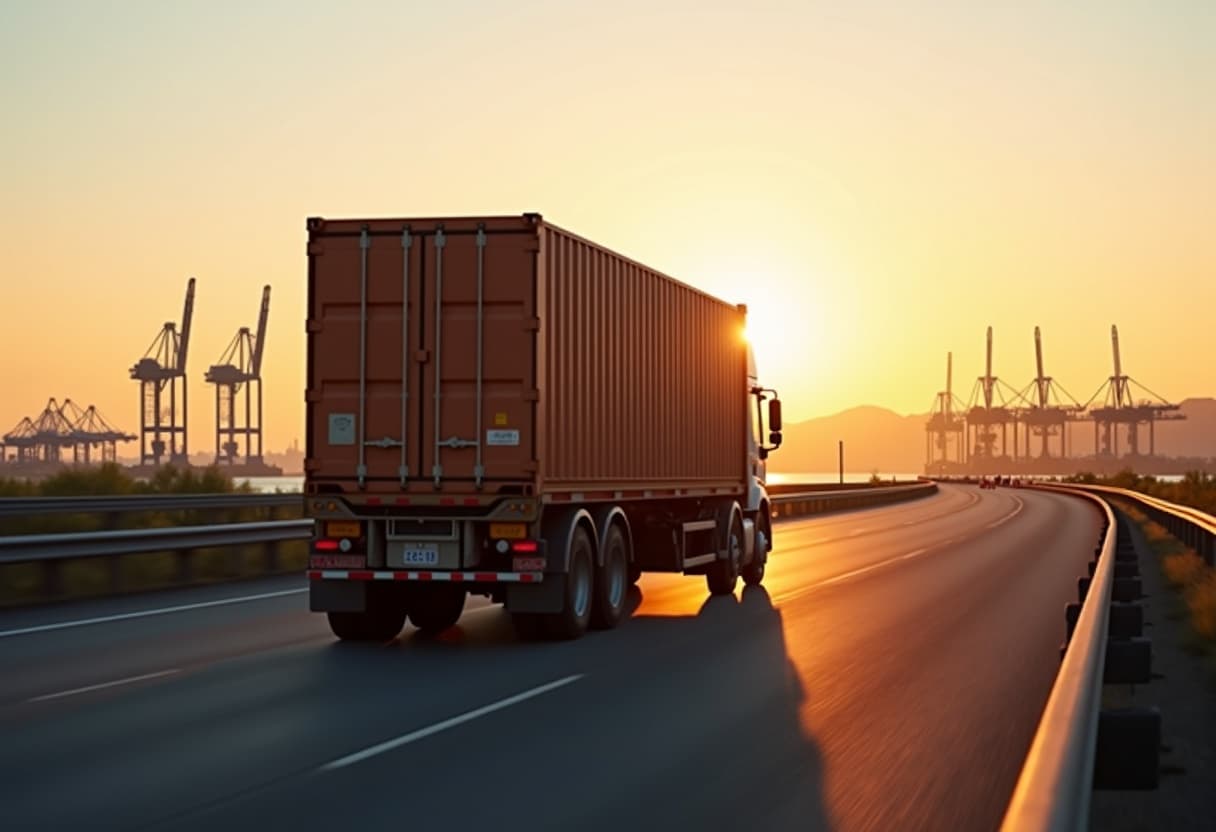
Drayage Services in Seattle & Tacoma: Port-to-Door
When a container ship docks at the Port of Seattle or the Port of Tacoma, your cargo is still miles from your dock. A drayage truck has to pull that container off the terminal, clear the gate, and deliver it to your warehouse — usually within the same day. That short-haul move is what drayage services are, and in the Puget Sound region it is the link that decides whether your freight flows or stalls.
All Season Transport runs drayage services out of Kent, WA, moving containers between Seattle and Tacoma marine terminals and warehouses across the Kent Valley, Auburn, Renton, Fife, and the broader I-5 corridor. This guide explains how port drayage works in this market, what drives the cost, and how to avoid the charges that quietly eat import margins.
What drayage services actually include
Drayage is a specific type of short-haul trucking. The driver arrives at a marine terminal — Terminal 18 at the Port of Seattle or Husky Terminal and Washington United Terminals at the Port of Tacoma — with a chassis, picks up a loaded import container (or drops an empty export), and hauls it to the receiver's facility. A full drayage service covers:
- Terminal pickup and gate coordination — matching the bill of lading, container number, and pickup appointment to the terminal's appointment system.
- Chassis provision — supplying or renting the wheeled frame the container rides on.
- Short-haul transport — the truck move itself, typically under 50 miles from terminal to warehouse.
- Door delivery or drop — spotting the container at your dock, or dropping it in a yard for unloading.
- Empty return — hauling the empty container and chassis back to the terminal or depot once you have unloaded.
Skip any of those steps and you start accumulating per diem and demurrage charges that can exceed the cost of the drayage move itself.
Port of Seattle and Port of Tacoma: two terminals, one market
Importers in the Kent Valley are served by two major marine gateways, and a drayage carrier based in Kent is positioned to serve both efficiently.
The Port of Seattle operates Terminal 18 (the largest container terminal in the Pacific Northwest), Terminal 46, and Terminal 30. These terminals handle the bulk of ocean container imports entering Washington from Asia. Terminal 18 alone moves more than one million twenty-foot equivalent units per year.
The Port of Tacoma operates Husky Terminal and Washington United Terminals further south on Commencement Bay. Tacoma often has shorter truck queues than Seattle during peak windows, and for receivers in the south Kent Valley or Pierce County, Tacoma is the closer, faster terminal.
A Kent-based drayage carrier can flex between both ports, which matters when one terminal is congested or when a steamship line diverts a vessel. That flexibility is the main reason importers in this region prefer a local drayage partner over a national broker that dispatches from a call center hundreds of miles away.
What drives drayage cost in the Puget Sound market
Drayage pricing is not a flat per-mile rate. A Seattle or Tacoma drayage quote is built from several components, and understanding them is how you keep landed cost under control.
Base drayage rate. The linehaul charge for the move, typically quoted per container and per size (20', 40', 40' high-cube, 45'). In the Puget Sound region a standard 40-foot drayage move runs roughly $300 to $600.
Chassis fee. If the carrier provides the chassis, expect a daily rental component. Chassis split fees apply when the chassis has to be sourced from a different terminal or depot than the container.
Fuel surcharge. A variable add-on tied to diesel prices, updated weekly by most carriers.
Accessorial charges. These are where margins leak:
- Demurrage — charged by the terminal or steamship line when a container sits past its free time, often $75 to $200 per day.
- Detention — charged when the trucker holds the container too long at your dock.
- Per diem — daily chassis and container rental that accrues until the empty is returned.
- Peak season surcharge — common from August through October when import volume spikes.
- Hazmat or overweight surcharge — for containers that exceed legal weight or carry hazardous cargo.
The single best way to control drayage cost is to keep containers moving: book early, unload fast, and return empties the same or next day.
When to book drayage (and why timing matters)
Book drayage the moment you know your container's estimated availability — ideally 48 to 72 hours before it is ready for pickup. During peak import season (late summer through October) and around holiday weekends, terminal congestion and driver availability push that lead time to 5 to 7 days. Booking late is the number-one cause of demurrage charges in this market, because the container sits at the terminal racking up daily fees while you scramble for a truck.
Have these ready when you book: container number, bill of lading or booking number, steamship line, container size and type, delivery address, and whether the load is hazmat or overweight. A complete booking lets the carrier set up the chassis, terminal appointment, and driver in one pass.
Choosing a drayage carrier in the Seattle–Tacoma market
Not every trucking company runs drayage, and not every drayage carrier serves both ports. When you evaluate a port drayage partner in Puget Sound, look for:
- Terminal access at both Seattle and Tacoma — so a congested terminal or diverted vessel does not strand your freight.
- Owned chassis or reliable chassis pool access — chassis supply tightens during peak season; carriers that depend on daily splits are the first to miss appointments.
- Local dispatch that knows the Kent Valley — drivers who know the terminal gate routines, the I-5 and I-405 construction patterns, and the receiving docks in Kent, Auburn, and Fife move containers faster than dispatched-from-elsewhere carriers.
- Transparent accessorial billing — a carrier that itemizes demurrage, detention, and chassis rather than rolling them into a vague "fuel and fees" line lets you actually manage landed cost.
- Electronic tracking and POD — real-time container status and a digital proof of delivery, not a phone call two days later.
All Season Transport is based in Kent, WA and runs drayage between the Port of Seattle, the Port of Tacoma, and distribution centers across the Kent Valley and south Puget Sound. If you are importing through Seattle or Tacoma and need a container moved from terminal to door, contact All Season Transport for a drayage quote with the terminal, chassis, and delivery details spelled out.
The takeaway
Drayage is the short move that makes or breaks the long supply chain. A container that clears customs but sits at Terminal 18 or Husky Terminal because no truck is booked is a container burning money. Book early, work with a carrier that serves both Seattle and Tacoma, keep your chassis and empties cycling, and port drayage becomes the predictable, cost-controlled link it should be — instead of the line item that quietly doubles your landed cost.
Keep Reading
- What Is Drayage? A Beginner's Guide — the fundamentals of how drayage fits into the broader supply chain.
- Container Drayage Guide — container types, chassis options, and terminal pickup workflows explained.
FAQ
- What are drayage services?
- Drayage services are the short-distance truck transport of a shipping container from a marine or rail terminal to a nearby warehouse, distribution center, or receiving facility. In the Seattle and Tacoma market, drayage moves containers from Port of Seattle and Port of Tacoma terminals to facilities across the Puget Sound region, usually within a 50-mile radius.
- How much do drayage services cost in Seattle and Tacoma?
- Drayage rates in the Seattle and Tacoma market depend on container size, chassis rental, fuel, port congestion, and accessorial fees. A standard 40-foot container drayage move in the Puget Sound region typically ranges from $300 to $600 plus accessorials such as demurrage, detention, or hazmat surcharges.
- How far in advance should I book port drayage?
- Book drayage at least 48 to 72 hours before your container is available for pickup at the terminal. During peak season (August through October) and around holiday weekends, terminal congestion and driver shortages push lead times to 5 to 7 days. Booking early also helps avoid per diem chassis and container charges.
- What is the difference between port drayage and intermodal drayage?
- Port drayage moves containers between a marine terminal and a nearby facility, usually under 50 miles. Intermodal drayage moves containers between a rail ramp and a facility. Both fall under the drayage category, but port drayage is the more common service for Seattle and Tacoma importers receiving ocean freight.
- Do drayage carriers provide chassis?
- Most drayage carriers in the Seattle and Tacoma market provide or rent chassis as part of the move. Chassis supply at Pacific Northwest terminals is generally adequate but can tighten during peak import season. Confirm chassis terms when you book to avoid surprise daily rental charges.