
Transloading in Seattle: What Shippers Need to Know
Transloading is one of the most useful and least understood services in the Pacific Northwest freight chain. When an ocean container lands at the Port of Seattle or the Port of Tacoma, the cargo inside rarely stays in that container all the way to its final stop. More often, the container is trucked a short distance to a warehouse near Kent, the freight is unloaded and sorted, and it is then reloaded onto different trucks for delivery across the region. That unload-and-reload step is transloading, and for many shippers it is the difference between an efficient supply chain and a costly one.
This guide explains what transloading is in the Seattle market, how it fits between drayage and final delivery, when it pays off, and how a regional carrier based in Kent, WA handles the move.
What Transloading Means
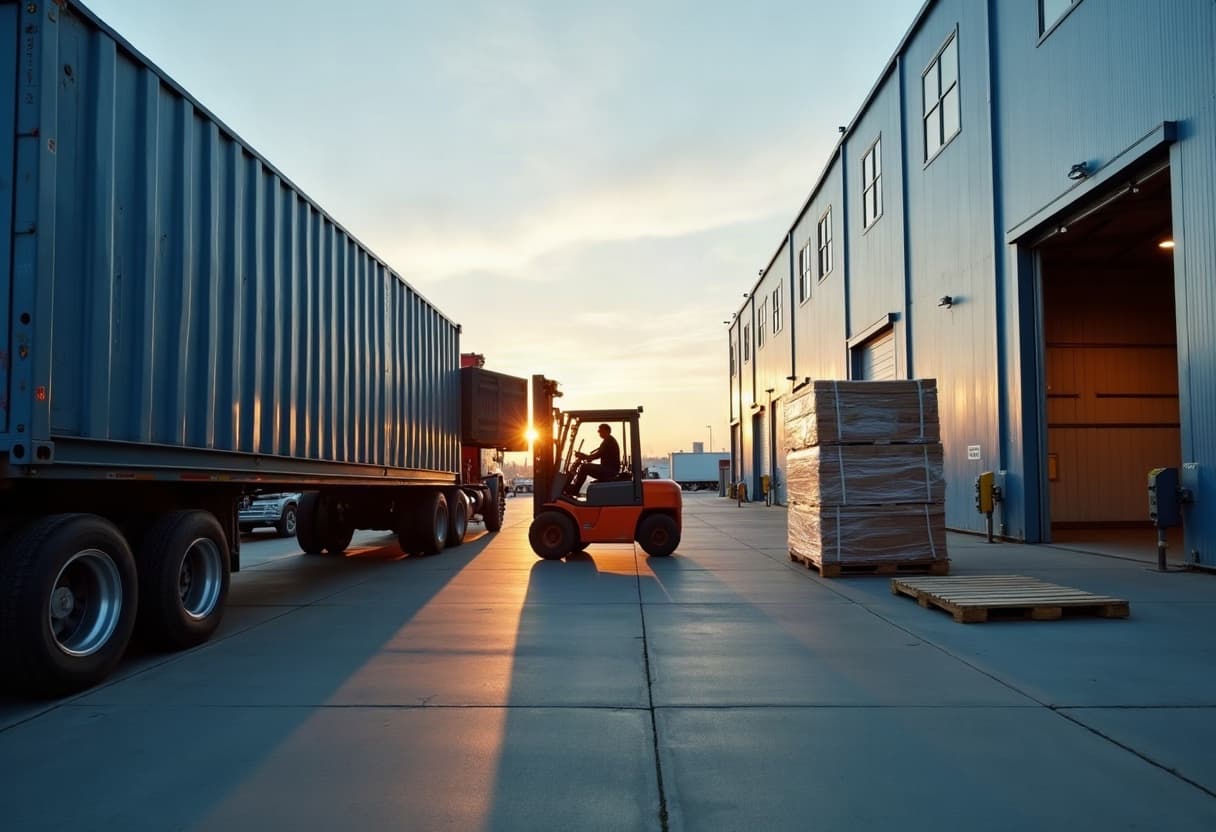
Transloading is the transfer of freight from one piece of transport equipment into another at a terminal, warehouse, or cross-dock facility. A 40-foot ocean container arrives full of boxed goods. At the transload warehouse those boxes are unloaded, sorted onto pallets, shrink-wrapped, and then loaded into a 53-foot domestic dry van, a refrigerated trailer, or a rail car for the next leg of the trip.
The defining feature is that the cargo itself is handled and repacked, not just the container. This is the key difference from intermodal shipping, where one sealed container moves across ship, rail, and truck without the freight inside ever being touched. Transloading breaks the seal and repacks the goods so they can move on different, usually cheaper or more flexible, equipment for the rest of their journey.
How Transloading Works at Seattle and Tacoma
The Pacific Northwest's two major container ports — the Port of Seattle and the Port of Tacoma, operated together as the Northwest Seaport Alliance — handle the vast majority of containerized imports entering the region. A typical transload flow looks like this:
- Vessel discharge. An ocean container is lifted off a ship by a gantry crane and set on a chassis at a Seattle or Tacoma terminal.
- Drayage. A truck drays the intact container roughly 15 miles inland to a transload warehouse near Kent, WA. All Season Transport runs this short-haul drayage leg daily.
- Unload and sort. At the warehouse the container is opened and the freight is unloaded, sorted, and palletized. Loose cartons become stable pallet loads; mixed shipments are separated by destination.
- Reload. The sorted freight is loaded into the right equipment for the next move — domestic dry vans for regional delivery, refrigerated trailers for temperature-sensitive cargo, or rail cars for long-haul moves east.
- Final delivery. A truck carries the reloaded freight to distribution centers, retailers, or end customers across Washington, Oregon, Idaho, and beyond.
Because Kent sits between the two ports and the region's main interstate and rail corridors, a carrier based there can pull a container in the morning and have the transloaded freight on the road the same afternoon.
Transloading vs. Drayage vs. Intermodal
These three terms get used interchangeably, but they describe different parts of the chain:
- Drayage moves the container. A truck carries an intact container a short distance from port to warehouse. The cargo stays inside.
- Transloading moves the contents. The container is opened and the freight is unloaded, sorted, and repacked into different equipment.
- Intermodal keeps the container sealed. One container moves across ship, rail, and truck without the cargo being touched.
In practice, all three often happen in sequence on a single import. Drayage brings the container in from the port, transloading repacks the cargo, and the reloaded freight then moves intermodal or over-the-road to its destination.
When Transloading Saves Money
Transloading is the right call in several common situations:
- Consolidation and deconsolidation. An importer receives a full ocean container but needs to split the contents among several customers or stores. Transloading sorts the freight into multiple LTL or truckload shipments near the port.
- Equipment conversion. Ocean containers are 40 feet long and require a container chassis. Many regional receivers cannot accept a container at their dock and need a standard 53-foot dry van instead. Transloading converts the freight into domestic equipment.
- LTL building. Smaller shippers who do not fill a full container can pool freight at a transload facility and build mixed loads, lowering per-pallet shipping cost.
- Port-adjacent warehousing. Shippers who need short-term storage, sorting, or relabeling close to the port use a transload warehouse as a flexible distribution point before final delivery.
- Cross-dock speed. When freight needs to move quickly from vessel to road without a long warehouse stay, transloading at a cross-dock near Kent keeps transit time low.
Why a Kent-Based Carrier Fits the Seattle Transload Chain
Transloading only works when the drayage leg, the warehouse, and the reload all sit close together and close to the port. Kent, WA is roughly 15 miles from the Port of Seattle and a similar distance from the Port of Tacoma, with direct access to I-5, SR 167, and the BNSF rail intermodal yard at the Tacoma Tideflats. A carrier headquartered in Kent can pull a container from either port, transload it the same day, and have the reloaded freight on the road to the Pacific Northwest and beyond without the long empty miles that erode margin and add transit time.
All Season Transport runs drayage and transload support out of Kent for importers and distributors moving freight through the Seattle and Tacoma gateways. To schedule a transload or drayage move, call (253) 893-8864.
The Bottom Line
Transloading is the step that turns a sealed ocean container into flexible, regionally deliverable freight. For shippers moving goods through the Port of Seattle or the Port of Tacoma, a Kent-based carrier that handles both the drayage leg and the transload reload keeps the chain short, the cost predictable, and the freight moving.
FAQ
- What is transloading in freight shipping?
- Transloading is the process of transferring freight from one container or trailer into a different container, trailer, or rail car at a terminal or warehouse. Unlike intermodal shipping, where the same sealed container stays intact across modes, transloading unloads and repacks the cargo itself so it can move on a different piece of equipment for the next leg.
- How does transloading work at the Port of Seattle and Port of Tacoma?
- An ocean container arrives at a Seattle or Tacoma terminal, is drayed a short distance to a transload facility near Kent, and the freight inside is unloaded and sorted onto pallets. Those pallets are then loaded into dry vans, reefers, or rail cars for regional or long-haul delivery. A Kent-based carrier sitting roughly 15 miles from both ports handles the drayage leg that connects the port to the transload warehouse.
- What is the difference between transloading and drayage?
- Drayage is the short-haul truck move of an intact container from a port or rail terminal to a nearby warehouse or distribution center, with the cargo staying inside the container. Transloading is the actual unloading and repacking of that cargo into different equipment. Drayage moves the box; transloading moves the contents of the box.
- When should a shipper choose transloading in Seattle?
- Transloading makes sense when freight needs to be consolidated or deconsolidated, when an importer wants to move LTL quantities out of a full container, when cargo is transferring between ocean container and domestic dry van, or when a shipper needs warehousing and sorting close to the port before regional distribution. It is also used when the destination cannot receive a 40-foot container and needs a smaller truck.