
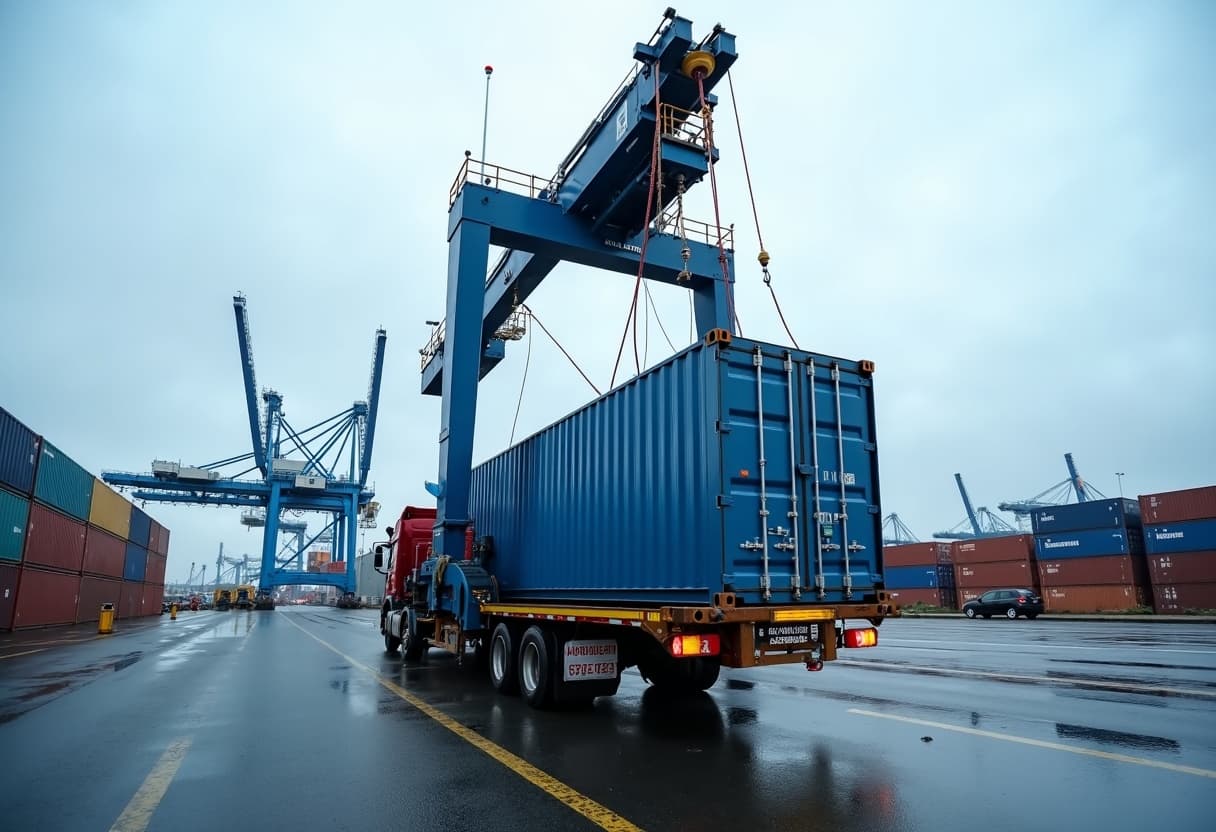
Container Drayage: How Port of Seattle Cargo Moves Inland
When a container ship docks at the Port of Seattle or Port of Tacoma, the clock starts ticking. Every hour that container sits at the terminal costs money in demurrage fees, and every day it overstays cuts into your supply chain margins. Container drayage is the link that gets your cargo off the dock and onto a truck headed for your warehouse — and in the Puget Sound market, it works differently than anywhere else in the country.
How Container Drayage Works at Seattle and Tacoma Terminals
Container drayage is the short-distance truck move that picks up a shipping container from a marine terminal or rail ramp and delivers it to a nearby warehouse, distribution center, or cross-dock facility. The word "drayage" comes from the old dray carts used to move goods between ships and warehouses in the 1800s, but today the job belongs to trucks and chassis.
At the Port of Seattle, containers arrive at Terminal 18, Terminal 30, or Terminal 46 depending on the shipping line. At the Port of Tacoma, the primary container terminals are Pierce County Terminal, Husky Terminal, and Washington United Terminals. When your container is discharged from the vessel, it gets staged in the terminal's container yard, grouped by size and type — standard 20-foot, 40-foot, 40-foot high cube, or 45-foot containers.
Here is what happens next. Your drayage carrier receives a release notification from the terminal once customs clears the container and the steamship line releases it. The driver arrives at the terminal gate with a valid driver's license, TWIC card (Transportation Worker Identification Credential), and container booking number. The terminal assigns a chassis if the carrier does not provide one, and the driver proceeds to the container yard where a yard hustler or RTG crane loads the container onto the chassis.
The driver secures the container to the chassis using four twist locks, checks the seal, and exits the terminal through the outgate. From there, the container heads north on I-5 or east on SR 167 to facilities across Kent, Sumner, Auburn, and the Green River Valley — one of the most concentrated warehouse districts in the Pacific Northwest.
For a deeper overview of the whole process, see our guide to what drayage means for Seattle shippers.
Container Types and How They Affect Drayage
Not all containers move the same way. The container type and size determine what chassis you need, what equipment the terminal uses to handle it, and what certifications your driver must hold.
Standard containers (20ft and 40ft) are the bread and butter of drayage. A 20-foot container can carry heavier cargo because the weight is concentrated in a smaller footprint, while a 40-footer is the standard for most consumer goods imports coming through Seattle and Tacoma.
40-foot high cube (40HC) containers are 9 feet 6 inches tall — one foot taller than a standard 40. They need a chassis with the right height capacity, and they are common for lighter, bulkier cargo like furniture, apparel, and consumer electronics.
Reefer containers carry refrigerated or frozen cargo and require a chassis with a genset (generator set) to power the refrigeration unit during transit. The driver needs to check and record the reefer temperature at pickup and delivery.
Hazmat containers require the carrier to hold a Hazmat Endorsement on their CDL and carry the proper placards. Not every drayage company is equipped for hazmat, which is why matching the right carrier to your container type matters.
Terminal Operations: What Shippers Need to Know
Terminal efficiency in Puget Sound has improved over the past few years, but congestion is still a factor. Here is what affects your container drayage timeline:
Gate hours and appointments. Both Port of Seattle and Port of Tacoma terminals use appointment systems for container pickups. Your drayage carrier must book a gate slot, typically 24 to 48 hours in advance. Miss the appointment window and the container stays in the yard, racking up demurrage.
Container availability. A container is not available for pickup until three things happen: the vessel has berthed and discharged, customs has cleared the shipment, and the steamship line has released the container electronically. Your drayage carrier should track all three before dispatching a truck.
Grounded vs. live pickup. A grounded container is sitting in the yard on the ground — the terminal needs a yard crane to load it onto the chassis. A live pickup means the container is already on a chassis in a ready line. Live pickups are faster but less common during peak season.
Chassis pools. In Seattle and Tacoma, chassis are managed through a gray pool system where multiple leasing companies share equipment. During high-volume periods, chassis shortages can delay pickups by days. Carriers that own their own chassis — like our fleet of 200 chassis at All Season Transport — are not dependent on the pool and can pick up containers even when pool chassis are scarce.
Intermodal Container Drayage: Rail-to-Truck Transfers
Container drayage does not only happen at marine terminals. Intermodal drayage moves containers between rail ramps and warehouses. In the Pacific Northwest, the primary intermodal ramp is the BNSF Tacoma Intermodal Facility and the UP Argo Yard in Seattle.
When containers arrive by rail from the Midwest or California, they come stacked on well cars. The intermodal ramp uses a sideloader or reach stacker to pull the container off the rail car and place it on a chassis. From there, the drayage process is the same — truck the container to its final destination.
Intermodal drayage is common for importers who route cargo through the Port of Oakland or Long Beach and then rail it north to Washington. It is also used for domestic containers moving between major rail-served markets.
Container Dwell Time and Per Diem Charges
Every day a container sits at a terminal or in your yard past the free time allowance, you pay. Terminal demurrage applies when the container is still at the marine terminal past the free days (usually 4 to 7 days depending on the steamship line). Container per diem applies when the container is out of the terminal but not returned to the shipping line's designated depot within the free time.
These charges add up fast. A 40-foot container can rack up $75 to $150 per day in per diem, and demurrage at Seattle and Tacoma terminals runs similar rates after the free period expires. The best way to avoid these charges is to work with a drayage carrier that can pick up containers on short notice and return empties promptly.
Our port and rail drayage service is built around this — we track container availability daily, dispatch trucks as soon as releases come through, and return empties to the depot within 24 to 48 hours of unloading.
The Kent Warehouse Connection
Most container drayage moves in the Puget Sound region end up in one place: the Kent-Green River Valley. Kent, WA has one of the largest concentrations of warehousing and distribution space on the West Coast, with over 60 million square feet of industrial space clustered along the SR 167 corridor.
Our base at 22408 76th Ave S, Suite 200 in Kent puts us within minutes of the Valley's major distribution centers. A container picked up at the Port of Tacoma terminal can be at a Kent warehouse in under 90 minutes in good traffic. From the Port of Seattle terminals, the drive to Kent runs 45 to 60 minutes depending on I-5 conditions. When the final destination has no loading dock, our liftgate service handles the street-level drop.
This proximity matters. When a container release comes through at 2 PM, a carrier based in Kent can have a truck at the terminal gate before the appointment window closes. A carrier based 30 miles farther out might not make it that day.
Choosing a Container Drayage Carrier
The right drayage partner for your containers needs three things: equipment, access, and local knowledge.
Equipment means owning chassis, not relying on the pool. It means having enough trucks to handle surge volume during peak season. And it means having the right trailers for reefer, hazmat, and oversized containers.
Access means TWIC cards for every driver, registered accounts at Seattle and Tacoma terminals, and the ability to book gate appointments quickly. Without terminal access, a carrier cannot pick up your containers regardless of how many trucks they have.
Local knowledge means understanding which terminals get congested on which days, how SR 167 traffic patterns shift during the afternoon rush, and which warehouses in the Kent Valley have the fastest turnaround times for live unloads. We cover the difference this makes in our asset-based carrier vs. freight broker breakdown.
If you are moving containers through the Port of Seattle or Port of Tacoma, contact us to schedule drayage or get a quote for your next shipment.
FAQ
- What is container drayage?
- Container drayage is the short-distance truck transport of a shipping container from a marine or rail terminal to a nearby warehouse, distribution center, or receiving facility. In the Seattle and Tacoma market, container drayage moves boxes from Port of Seattle and Port of Tacoma terminals to facilities across Kent, Sumner, and the broader Puget Sound region, usually within a 50-mile radius.
- What container sizes does drayage handle?
- Drayage carriers handle standard ISO containers including 20-foot, 40-foot, 40-foot high cube, and 45-foot containers. The most common drayage move in Seattle and Tacoma is a 40-foot or 40HC container picked up from a marine terminal and delivered to a warehouse or distribution center. Refrigerated containers (reefers) and hazmat containers require specialized equipment and certifications.
- How long does a container drayage move take?
- A standard container drayage move from Port of Seattle or Port of Tacoma to a facility in Kent or Sumner typically takes 2 to 4 hours from pickup to delivery, depending on terminal congestion, traffic on I-5 and SR 167, and whether the container needs to be grounded or live-loaded. During peak season from August through October, terminal wait times can add several hours to the total move time.
- What is the difference between container drayage and intermodal drayage?
- Container drayage moves containers between a marine terminal and a nearby facility. Intermodal drayage moves containers between a rail ramp and a facility. Both use the same trucks and chassis, but container drayage originating from Seattle or Tacoma marine terminals is the more common service for Pacific Northwest importers receiving ocean freight.