
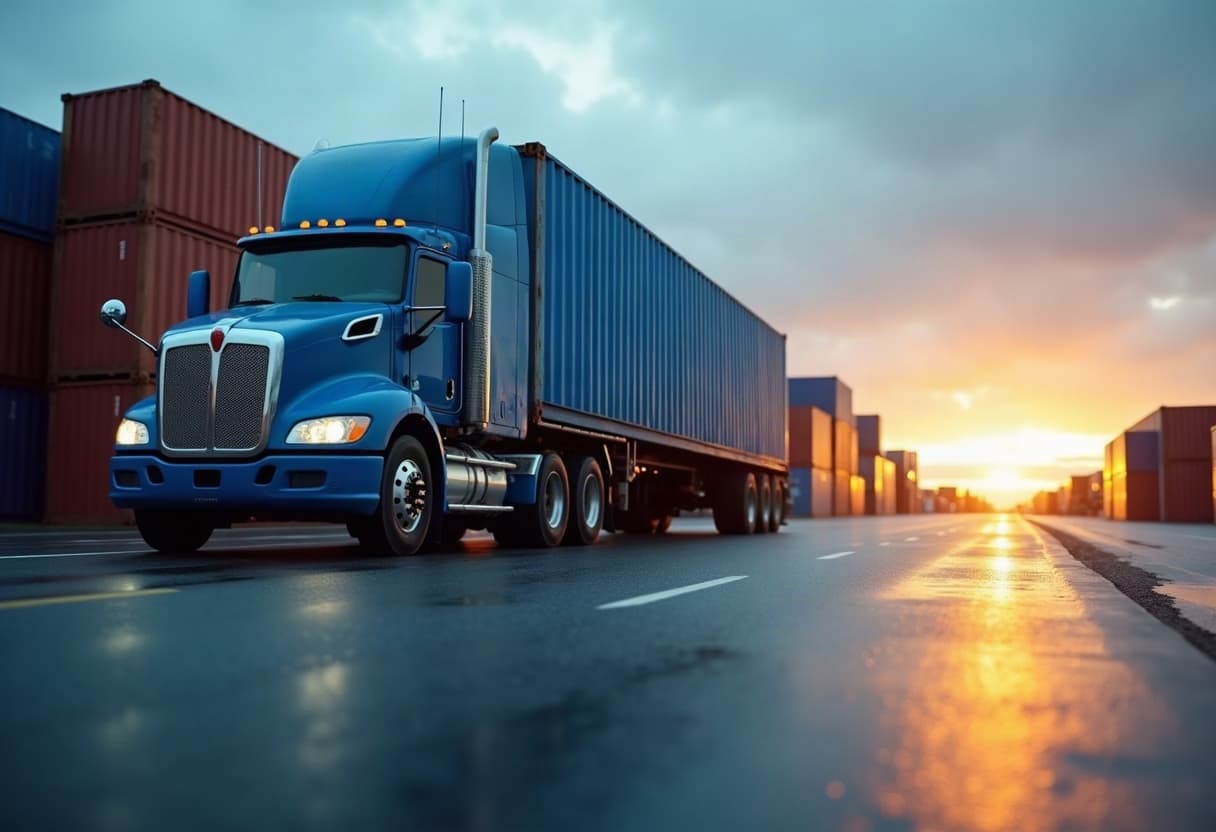
Drayage Companies: How to Choose the Right One for Port Freight
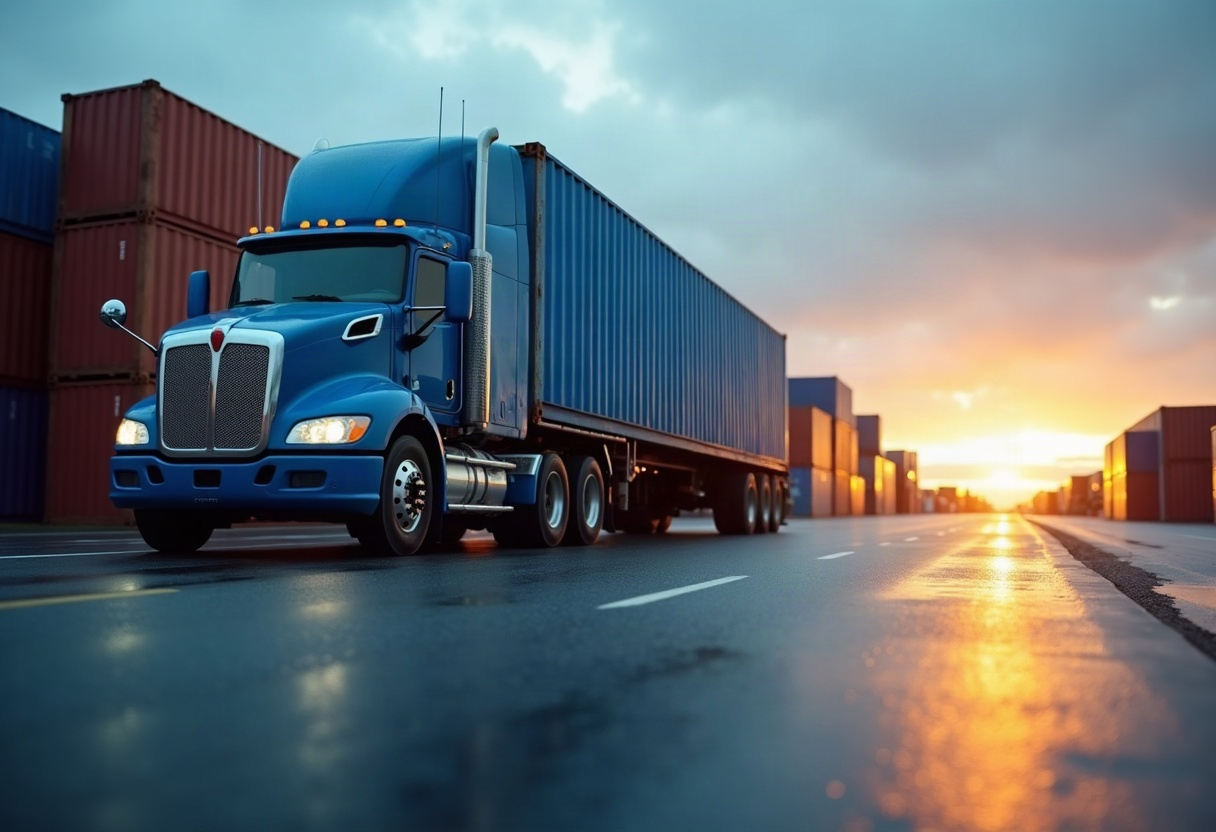
When an import container clears customs at the Port of Seattle or the Port of Tacoma, it has to get to a warehouse — usually within the same day, before terminal storage fees and demurrage begin to stack. That short-haul move is called drayage, and the carriers that specialize in it are drayage companies. Choosing the right one is rarely about price alone. It is about chassis availability, driver access to the terminals, and whether the carrier actually owns the equipment it is promising to show up with.
What Drayage Companies Actually Do
A drayage company moves a shipping container over a short distance — port to warehouse, rail ramp to distribution center, or terminal to transload facility. The work sounds simple, but it depends on three things most general freight carriers cannot reliably provide: chassis, terminal appointments, and drivers who hold the right port credentials.
The carrier provides a chassis (the wheeled frame the container sits on), dispatches a driver to the terminal, picks up the container after it is released by the ocean carrier, and delivers it to the consignee. If the container is not released, the driver waits — and waiting time at the terminal is billed back as detention. A drayage company that owns its own chassis can stage that equipment before the container is even available, which is the single biggest lever for keeping a port move on schedule.
For a deeper look at the move itself, see our container drayage guide and our explainer on what drayage actually means.
How to Compare Drayage Companies
Not every carrier that quotes a drayage rate can actually perform the move. When you compare drayage companies, the questions that separate reliable carriers from brokers posing as carriers are concrete:
- Do they own chassis? Carriers that own chassis control their own equipment pool and are not subject to daily chassis rental shortages at the terminal. All Season Transport owns 200 private chassis specifically to avoid this bottleneck.
- Are they asset-based? An asset-based drayage carrier runs its own trucks and drivers. A broker subcontracts the move and cannot guarantee capacity during peak season. The difference between the two is explained in our asset-based vs. broker breakdown.
- Are they customs-bonded? A customs-bonded carrier can move containers that have not fully cleared customs to a bonded warehouse, which gives importers flexibility on timing and paperwork.
- How close are they to the terminals? A carrier based minutes from the port turns containers faster and bills fewer empty miles than one dispatched from across the state.
Why a Kent, WA Drayage Carrier Has a Real Edge
Location is the part of drayage that importers underestimate until their first demurrage bill. Kent, WA sits at the junction of I-5 and SR 167 — roughly 15 miles from the Port of Seattle and 12 miles from the Port of Tacoma. A drayage company operating from Kent can pull a container from either terminal, transload it at a local warehouse, and have the driver back at the port for a second turn in the same shift.
That geography translates directly into cost. Shorter round trips mean lower fuel and lower driver hours per container. Local transloading — unstuffing the import container in Kent and loading the freight onto a dry van for the long haul — lets importers return the ocean container to the port faster, avoiding per-diem charges that accumulate the longer a container sits in a yard. Our drayage services across Seattle and Tacoma cover exactly this pattern.
For shippers moving freight into the broader region, Kent also provides direct interstate access to Oregon, Idaho, Montana, and California lanes, so the same carrier that drays the container off the ship can hand off the long-haul move without a broker in the middle.
Red Flags When Hiring a Drayage Company
A drayage quote that looks cheap on the line-haul can become expensive fast. Watch for:
- No chassis in the quote. If chassis is billed separately and "subject to availability," the carrier does not own one and is renting it daily. That is where peak-season delays begin.
- No terminal appointment capability. Terminals require appointments for container pickup. A carrier without established terminal relationships will miss release windows.
- Brokers presenting as carriers. If a company cannot tell you how many trucks it owns or where they are staged, it is brokering the move and cannot guarantee the pickup.
- No transload option. Without a local transload facility, you are paying to store an ocean container instead of returning it.
Choosing an Asset-Based Drayage Partner
The importers who keep port freight predictable work with one asset-based drayage carrier rather than shopping every load. Owning the equipment, holding the terminal relationships, and sitting close to the ports is what lets a carrier promise a same-day pickup and actually deliver it. All Season Transport is an asset-based, customs-bonded drayage company in Kent, WA, with 60 trucks and 200 private chassis serving the Port of Seattle, the Port of Tacoma, and rail ramps across the Pacific Northwest.
If you are moving containers through Seattle or Tacoma and want a carrier that owns the chassis it is quoting you, contact us or learn more about our transport services in Kent, WA.
FAQ
- What do drayage companies do?
- Drayage companies move shipping containers over short distances — typically between a seaport or rail ramp and a nearby warehouse, distribution center, or consignee. The drayage carrier provides the chassis and power unit, picks up the loaded container, and delivers it within the local port region. All Season Transport runs port and rail drayage out of Kent, WA, pulling containers from the Port of Seattle and the Port of Tacoma to receivers across the Puget Sound region.
- How much does drayage cost?
- Drayage is usually priced as a flat port-to-door move plus accessorials such as chassis use, fuel, detention, and pre-pull storage. Rates rise during peak import season and when port congestion drives up dwell time. The most reliable way to control drayage cost is to book an asset-based carrier that owns its chassis and can stage equipment before your container is released, avoiding daily chassis rental and detention fees.
- What is the difference between a drayage company and a freight broker?
- A drayage company owns the trucks and chassis that physically move your container. A freight broker arranges the move with a third-party carrier but owns no equipment. For port drayage, an asset-based carrier matters because chassis availability and driver scheduling at the terminals are the difference between a same-day pickup and a container sitting in demurrage. All Season Transport is an asset-based, customs-bonded drayage carrier that owns 60 trucks and 200 private chassis.
- Why use a Kent, WA drayage company?
- Kent, WA sits at the intersection of I-5 and SR 167, roughly 15 miles from the Port of Seattle and 12 miles from the Port of Tacoma. That location shortens the round trip to both terminals, reduces empty miles on container pickup, and allows same-day delivery to Seattle, Tacoma, Auburn, Renton, and Sumner. A Kent-based drayage carrier can also transload import containers at a local warehouse before the long-haul move, cutting line-haul cost.